As winter approaches, proper care for your garden tools becomes essential. Terry Johnson, a landscaping expert, emphasizes, "Protecting your tools means they’ll serve you well season after season." Understanding how to store garden tools during winter can be the difference between longevity and rust.
Winter conditions can be harsh. Metal tools are particularly vulnerable to moisture. Rust can ruin even the best equipment. Wooden handles may warp or crack if left outdoors. This leads to frustrating experiences in spring when you reach for your tools. Therefore, knowing the right storage methods is crucial.
Many gardeners overlook the importance of this task. A simple mistake can lead to costly replacements. Ensure your tools are clean and dry before storage. Consider a temperature-controlled area for longer-lasting care. Investing time in proper storage pays off come planting season. Taking these steps can help maintain your tools' functionality and reliability.
Before storing your garden tools for winter, it’s crucial to assess their condition. Many gardeners overlook this step, leading to wasted money and damaged tools. A survey by the National Gardening Association found that 40% of gardeners experience tool deterioration due to improper maintenance. Take time to inspect each tool thoroughly.
Look for rust or corrosion. Cleaning tools properly can extend their lifespan. Use a wire brush to remove rust and then apply a light coat of oil. This simple act can prevent deterioration. According to gardening experts, using a mixture of vinegar and baking soda can effectively clean tools without toxic chemicals. Ensure all moving parts function smoothly. Replace any broken or worn-out components. A study indicates that 30% of tools thrown away could have been repaired.
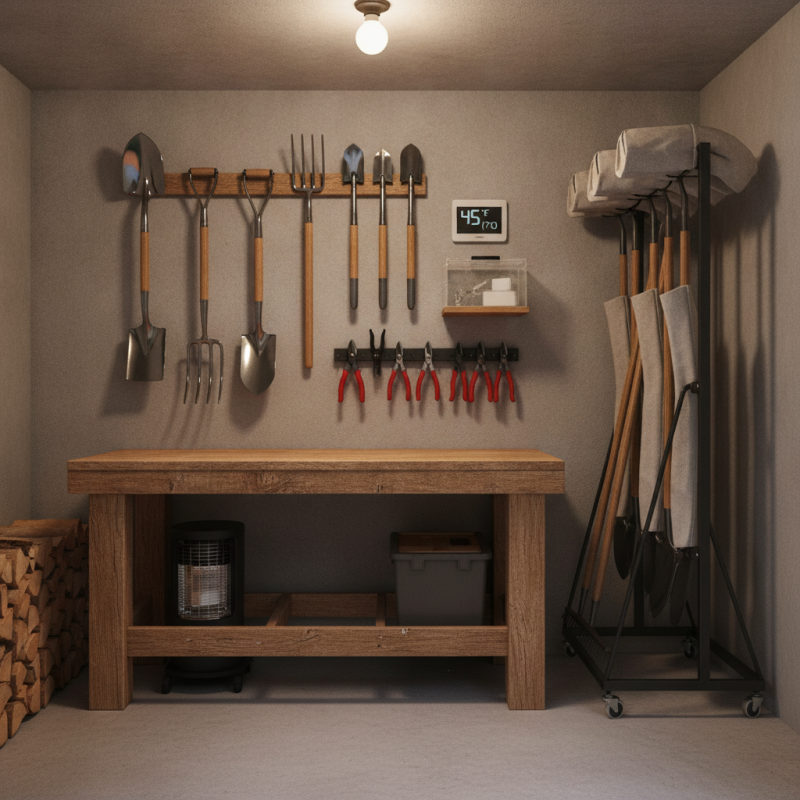
Additionally, consider the storage environment. Tools exposed to moisture can develop rust rapidly. A well-organized storage area is key. Hanging tools on a wall can keep them off the ground, preventing unnecessary wear. Keeping tools dry and clean minimizes repair needs. Remember, neglecting this assessment often leads to more expensive replacements in the future. Investing time in your tools today pays off significantly by preserving their functionality for gardening seasons to come.
Cleaning and sanitizing your garden tools is crucial before winter storage. It helps prevent rust, mold, and other damages. Start by rinsing off dirt and debris under running water. Use a stiff brush to remove stubborn soil. Pay special attention to crevices where dirt can hide. After washing, dry your tools thoroughly with a clean cloth.
Next, sanitizing is essential. You can create a simple solution using water and vinegar. Soak metal parts of the tools in this mix for a few minutes. The vinegar helps kill any lingering pathogens. Always remember to rinse off the solution afterward. Once dry, apply a thin layer of vegetable oil on metal surfaces. This acts as a protective barrier against rust.
Storing tools correctly is also key. It may be tempting to throw everything into a shed, but that leads to chaos. Hang tools on a wall or store them in a designated area. This not only saves space but also makes them easier to find next spring. Taking the time to clean and organize will pay off when gardening season returns.
Choosing the right storage space for your garden tools is crucial for their longevity. An ideal space should be dry and well-ventilated. This prevents moisture accumulation that can lead to rust and decay. A shed is often a perfect choice, but if you lack one, consider a corner in your garage. Even a closet can work if the conditions are right.
When storing your tools, group them by type. Keep shovels and rakes together, and store pruners and shears in a secure box. This organized method saves time during the gardening season. Use wall hooks to hang tools, which can free up floor space and allow for proper air circulation. Avoid overcrowding your storage area; it can cause damage and stress on tools.
Tip: Consider using protective covers for larger tools. They shield against dust and moisture. Periodically check your stored tools. It's easy to forget about them. Lightly oil metal surfaces before storage. This precaution goes a long way in preventing rust. Reflect on your storage choices. Are they protecting your tools effectively?
When winter approaches, it’s time to think about how to store garden tools properly. A shed or garage can become cluttered quickly if tools aren’t organized well. Proper storage keeps your tools in good condition for the next gardening season.
Start by cleaning all your tools before storage. Remove dirt, rust, and sap. This prevents corrosion and damage. A simple brush and a little soapy water can work wonders. Once clean, dry the tools thoroughly. A light coat of oil on metal parts can help protect them from moisture.
Organizing tools in your shed or garage is vital. Use hooks, pegboards, or shelves to keep everything neat. Hang larger tools to free up floor space. Smaller tools can fit in bins or baskets. Labels can help identify items quickly. Reflect on what works best for your space. Not everything will fit perfectly. Adjust and rearrange as needed to improve efficiency.
| Tool Type | Recommended Storage Method | Maintenance Tips |
|---|---|---|
| Shovels and Spades | Hang on wall hooks or store in a vertical position | Clean and dry after use, oil metal parts |
| Rakes and Hoes | Use a rack or pegboard for organization | Remove dirt and debris, inspect for rust |
| Pruners and Shears | Store in a toolbox or designated drawer | Sharpen blades and lubricate pivot points |
| Lawn Mowers | Store in a dry, sheltered location | Check fuel and oil levels, clean before storage |
| Garden Hoses | Roll up and store on a hose reel | Drain water and check for leaks |
Winter can be harsh on garden tools, leading to rust and other damage. The National Gardening Association reports that neglected tools can lose their lifespan by up to 50% in extreme weather conditions. To safeguard your equipment, it is crucial to store them correctly during the colder months. Tools made of steel are especially prone to rust when exposed to moisture.
Clean and dry your tools thoroughly before storage. Removing soil and debris reduces the chances of rust formation. Applying a light coat of oil on metal parts can provide an extra layer of protection. Many experts recommend using mineral oil or vegetable oil for this task.
Tip: Hang your tools in a dry, well-ventilated area. A garage or shed with good airflow is ideal. Never stack tools on top of each other. This can lead to scratches and dings that weaken the tool over time.
Another preventive measure is to use rust-resistant storage materials. When storing pots and other items, consider using fabric covers to shield them from moisture. According to a survey, rust damage affects over 30% of home gardeners’ tools every winter season. Avoid being part of that statistic. Taking these simple steps can significantly enhance the durability of your garden tools.
: Cleaning prevents rust, mold, and other damage. It ensures tools remain in good condition for next season.
Rinse off dirt under running water. Use a stiff brush for stubborn soil, focusing on crevices.
A simple solution of water and vinegar can sanitize metal parts. Soak them for a few minutes.
Drying tools prevents rust formation. Moisture is a common cause of damage during winter storage.
Apply a thin layer of vegetable oil on metal surfaces after cleaning. This creates a rust barrier.
Hang tools in a dry, well-ventilated area. This keeps them organized and prevents damage.
Stacking can cause scratches and dings. These imperfections weaken tools over time.
Using rust-resistant materials and fabric covers can shield tools from moisture and enhance longevity.
Neglected tools can lose up to 50% of their lifespan in extreme winter conditions.
Designate a specific area for each tool. This organization simplifies finding them when gardening season starts.
To ensure that your garden tools remain in optimal condition throughout the winter months, it's essential to understand how to store garden tools during winter effectively. Start by assessing the condition of your tools, checking for any wear or damage that may require repair. Next, clean and sanitize each tool thoroughly to remove dirt and prevent rust buildup. Choosing the right storage space, such as a shed or garage, is crucial, as it should be dry and well-ventilated.
Proper organization within your storage area will help protect your tools from damage; consider hanging or using designated containers to keep them tidy. Finally, take additional precautions to safeguard your tools from rust by applying oils or protective coatings. Following these steps will help prolong the lifespan of your garden tools and ensure they are ready for use when spring arrives.

Beamer Garden