Managing pests in a greenhouse is essential for successful plant growth. According to Dr. Emily Thompson, a recognized expert in horticulture, "Effective pest management is key to ensuring healthy greenhouses." Her insights guide us on how to prevent pests in a greenhouse.
Many gardeners face the threat of pests, which can devastate their plants. They must understand effective strategies to keep their greenhouses thriving. Simple methods can be surprisingly effective, turning the tide against infestations. Regular inspections and maintaining cleanliness are crucial starting points.
Newer techniques, such as companion planting and introducing beneficial insects, can also help reduce pest populations. However, every gardener may experience challenges. The journey of managing pests requires constant learning and adapting. Experimenting with different approaches can lead to valuable insights.
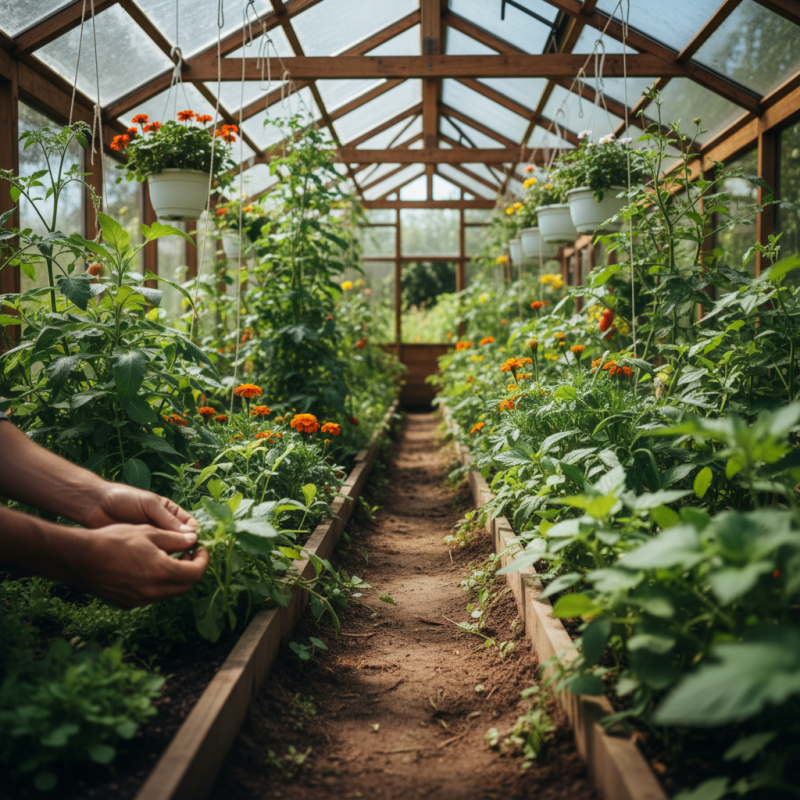
In a greenhouse, pests can cause significant damage. Common pests include aphids, whiteflies, and spider mites. These tiny creatures suck plant sap, affecting plant growth. You may notice yellowing leaves or stunted growth. This is an early sign of infestation. Regular monitoring of plants helps to catch these issues before they escalate.
Another prevalent pest is the fungus gnat. These pests thrive in moist conditions, especially in potting soil. Their larvae can damage roots, leading to poor plant health. Sticky traps can help identify their presence. But be sure to check regularly. Neglecting this can lead to a more serious problem.
Preventing pests requires dedicated effort. Maintaining hygiene in the greenhouse is crucial. Clean tools and pots help reduce contamination. Ensure that plants are healthy, as stressed plants attract more pests. It’s important to reflect on your greenhouse management practices. Regular assessments can greatly reduce pest populations. Taking proactive measures pays off in healthier plants.
Implementing physical barriers is a crucial strategy for pest prevention in greenhouses. According to a report by the American Society for Horticultural Science, using insect netting can reduce pest entry by up to 90%. Properly installed screens over vents and windows act as an effective defense. These barriers minimize the risk of harmful insects while allowing air circulation.
Using solid partitions can also deter larger pests like rodents and rabbits. A study published in the Journal of Economic Entomology found that solid barriers reduced damage from these pests by nearly 70%. While constructing barriers requires initial effort and cost, the long-term benefits exceed these investments. Regular checks for wear and tear enhance their effectiveness. Neglected barriers often lead to pest incursions, highlighting the need for routine maintenance.
Incorporating physical barriers is not a fix-all solution. Some pests may still find ways to breach defenses. Monitoring pest populations is essential to adapt and enhance barrier strategies continuously. Flexibility in approach can address unexpected challenges, ensuring your greenhouse remains a safe environment for healthy plants.
Incorporating beneficial insects into your greenhouse is a smart and natural method for pest control. Ladybugs, for instance, are excellent for managing aphid populations. A small group can consume thousands of aphids in their lifetime. However, you should ensure these friendly insects have enough food and a suitable environment to thrive.
When introducing beneficial insects, timing is crucial. Early in the growing season, release them to maximize their impact. Keep an eye on their population. It’s not uncommon for them to leave if conditions aren’t ideal. If that happens, consider adjusting the humidity or temperature.
Another tip is to create habitats for these insects. Simple additions like flowering plants can attract and sustain them. Yet, not all plants will benefit your garden. Research which flowers are most attractive to specific beneficial insects. Regularly observing your greenhouse can also guide necessary adjustments. Pay attention to insect activity and plant health. This observation can reveal when additional beneficial insects may be needed.
Proper sanitation is crucial in maintaining a pest-free greenhouse. Regularly cleaning surfaces reduces the chances of pest infestations. Remove debris and dead plants, as they attract pests. Sweep floors often and sanitize tools after each use. This simple habit goes a long way in keeping unwanted visitors at bay.
In addition to cleaning, manage water sources carefully. Standing water can create breeding grounds for pests like mosquitoes. Check for leaks in irrigation systems. Ensure proper drainage to minimize moisture. A dry greenhouse is less inviting for pests, making your plants thrive in a healthier environment.
Be aware that even a small lapse in sanitation can invite trouble. Inspect your greenhouse regularly. Look for signs of pests or mold. If you notice anything unusual, take immediate action. It’s easier to prevent a problem than to solve one once it starts. Keeping consistent sanitation practices ensures a thriving greenhouse ecosystem.
| Prevention Method | Description | Effectiveness |
|---|---|---|
| Regular Cleaning | Removing dead leaves, fallen fruits, and debris. | High |
| Proper Waste Disposal | Composting and disposing of organic waste properly. | Medium |
| Monitoring Humidity | Keeping humidity levels within optimal ranges. | High |
| Using Insect Barriers | Installing fine mesh screens and row covers. | High |
| Plant Health Monitoring | Regularly checking plants for signs of pest damage. | High |
| Crop Rotation | Changing plant varieties in different seasons. | Medium |
| Beneficial Insects | Introducing natural predators to control pest populations. | High |
| Soil Management | Maintaining healthy soil with good drainage. | Medium |
| Regular Inspections | Frequently checking for pest presence and activity. | High |
| Temperature Control | Adjusting temperature to deter pests. | Medium |
Monitoring environmental conditions is crucial to preventing pest infestations in greenhouses. Pests thrive in specific conditions, often linked to temperature and humidity levels. According to the American Society for Horticultural Science, maintaining optimal humidity (40-60%) can significantly reduce pest populations. By keeping these levels in check, you're less likely to attract annoying invaders.
Tip: Invest in a reliable hygrometer. This device helps you monitor humidity levels consistently.
Temperature is just as important. Most pests prefer warm environments. Research shows that temperatures above 85°F often cause an increase in insect activity. A greenhouse that is too hot creates the perfect breeding ground for unwanted pests. Regulating both heating and cooling systems can deter infestations.
Tip: Regularly check your thermostat settings. Small adjustments can make a big difference.
Lighting also plays a role in pest control. Many pests are attracted to certain light spectrums. By using grow lights that emit wavelengths unattractive to these pests, you can create a less hospitable environment. Research indicates that specific LED choices can help dissuade pests, making their presence less likely.
Tip: Experiment with different lighting options to find what works best for your greenhouse.
: Use physical barriers like insect netting to reduce pest entry significantly. Proper installation is key.
Solid partitions can deter rodents and rabbits. They can reduce damage by about 70%.
Regular checks for wear and tear are essential. Neglected barriers often lead to infestations.
Yes, insects like ladybugs eat many pests, such as aphids. Their impact is impressive when conditions are right.
Early in the growing season is ideal for their release. Monitor their population closely thereafter.
Adding flowering plants can attract them. However, choose flowers that are effective for the specific insects.
Pests thrive in certain temperature and humidity levels. Keeping these in check reduces their presence.
Aim for 40-60% humidity. It can significantly decrease pest populations and improve plant health.
High temperatures, above 85°F, often increase pest activity. Regulate your greenhouse's heating and cooling systems.
Yes, specific light spectrums attract pests. Experimentation with different LEDs can help create a less appealing environment.
In managing a greenhouse, understanding how to prevent pests in a greenhouse is crucial for ensuring healthy plant growth. The first step involves identifying common greenhouse pests and recognizing their detrimental impact on plants. By implementing effective physical barriers, such as netting or screens, one can significantly reduce the likelihood of pest entry. Additionally, utilizing beneficial insects provides a natural solution for pest control, helping to maintain ecological balance within the greenhouse.
Furthermore, proper sanitation practices are essential to minimize pest attraction; ensuring that the greenhouse is clean and free of debris can deter infestations. Regular monitoring of environmental conditions is also vital, as maintaining optimal temperature and humidity levels can make the environment less hospitable to pests. Together, these strategies form a comprehensive approach to pest prevention, promoting a thriving greenhouse ecosystem.

Beamer Garden